
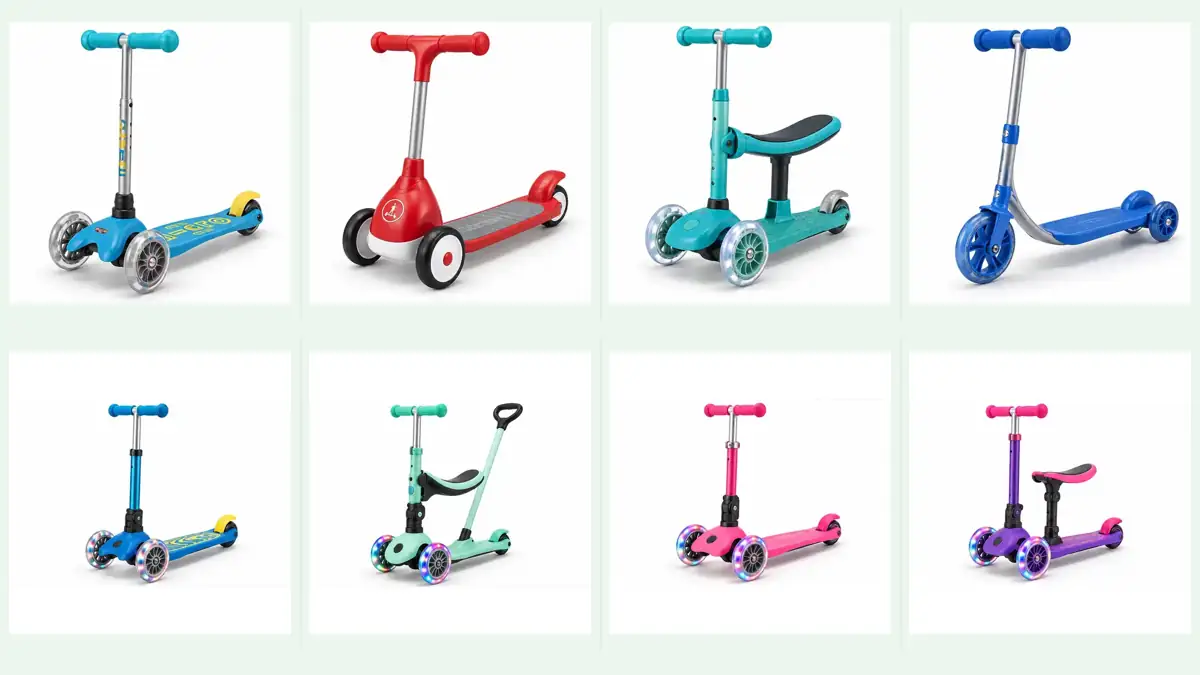
A first scooter should fit the child—not merely the age written on its packaging. Here are eight non-electric scooters for toddler and preschooler product comparisons, including simple fixed-height models, folding three-wheel scooters and seated convertibles.
Our top starting points
Low bar, lean-to-steer design and lightweight construction.
See detailsSimple wide deck, fixed bar and a clear 50 lb limit.
See detailsSeparate seated and standing modes with different restrictions.
See detailsToddler scooter comparison
Listed ages and load figures come from manufacturers. A standing capacity must never be used for a seat or ride-on mode.
| Model | Listed age | Capacity | Handlebar height |
|---|---|---|---|
| 1. Micro Mini Scooter | 2–5 years | 110 lb | 19.25–27 in |
| 2. Radio Flyer My 1st Scooter (#525) | 2–5 years | 50 lb | Fixed bar |
| 3. Retrospec Chipmunk Plus | 3+ years | 130 lb standing / 55 lb seated | 24–31.5 in |
| 4. Razor Jr. Lil’ Kick | 3+ years | 44 lb | Approx. 26 in fixed |
| 5. Micro Mini Foldable LED | 2–5 years | 110 lb | 19.25–27 in |
| 6. Globber GO•UP Active Lights 360° | 15–36 months in seat mode; 3+ standing | 44 lb seat / 110 lb standing | 26.6–32.5 in |
| 7. Globber PRIMO Foldable Lights | 3–7+ years | 110 lb | 26.6 / 28.5 / 30.5 in |
| 8. GOTRAX KS3 Kick Scooter | Check model age label | 110 lb standing | Adjustable; range unconfirmed |
Choose by rider stage and priorities
This quick selector compares product features; it is not a clinical safety or developmental assessment.
The eight models in detail
For more focused model comparisons, see our Radio Flyer scooter guide or Globber scooter guide. The individual manufacturer sources help distinguish similar product generations.
1. Micro Mini Scooter
★ Best overall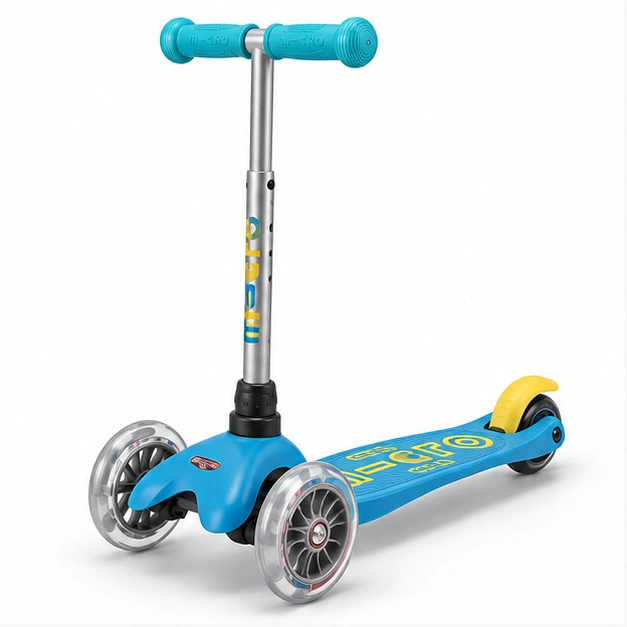
Lightweight (4.2 lb), adjustable, low-deck lean-to-steer scooter. The straightforward choice if a small rider can comfortably hold its lowest bar.
Consider before buying: The standard Mini does not fold; handlebar fit and readiness matter more than the generous load label.
2. Radio Flyer My 1st Scooter (#525)
★ Best simple starter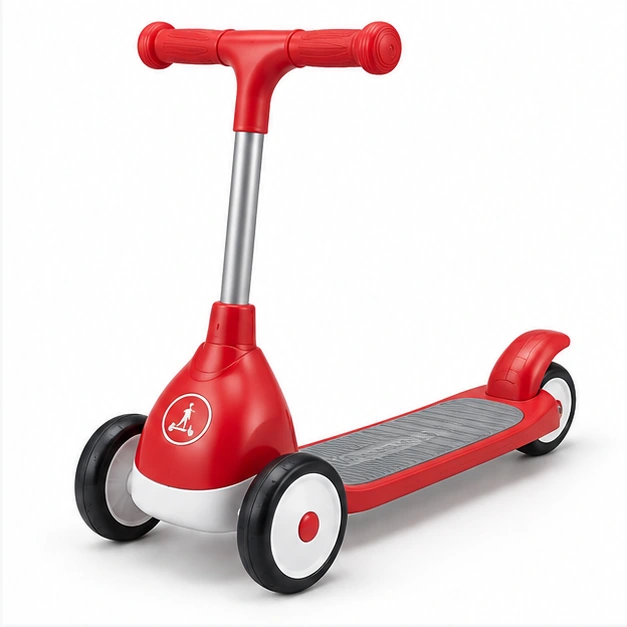
Wide deck, two wheels up front and a rear foot brake give this model an uncomplicated standing-scooter layout.
Consider before buying: No growing handlebar adjustment; model numbers #525 and #525P distinguish it from other Radio Flyer scooters.
3. Retrospec Chipmunk Plus
★ Best folding seat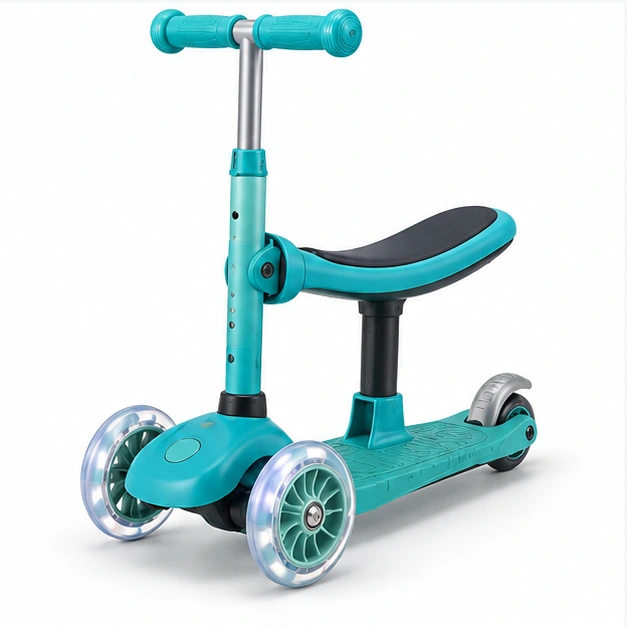
A removable folding seat and four T-bar settings make it more versatile than a fixed one-stage scooter.
Consider before buying: Seated limit is much lower than standing limit; manufacturer recommends age 3 and up.
4. Razor Jr. Lil’ Kick
★ Best basic frame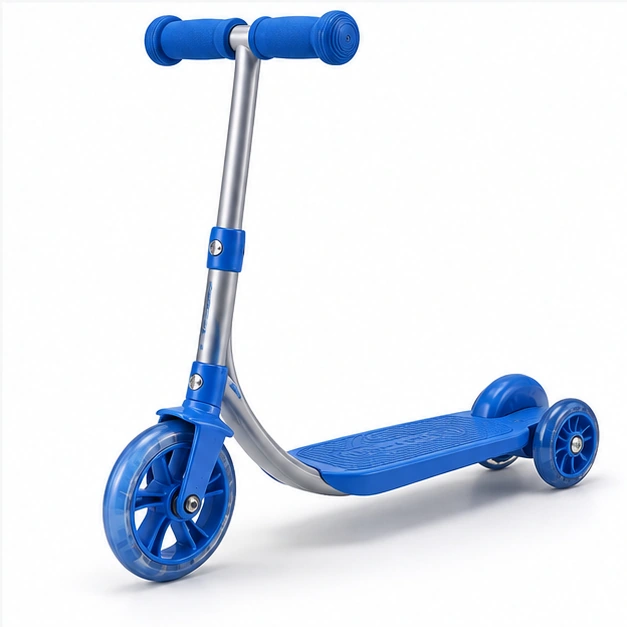
Steel frame, extra-wide slip-resistant deck and a simple three-wheel setup; 5.2 lb assembled weight.
Consider before buying: A fixed bar and 44-pound rating mean it may be outgrown sooner than taller adjustable models.
5. Micro Mini Foldable LED
★ Best for travel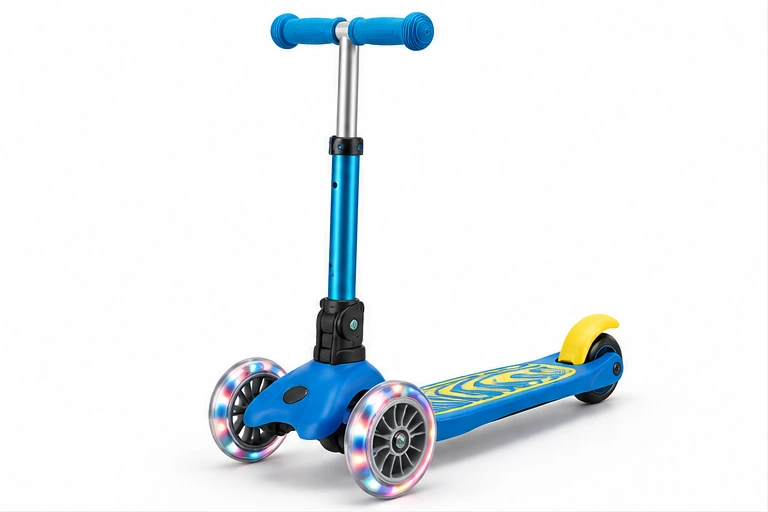
Folding handlebar, motion-powered wheel lights and a familiar 4.2-pound Mini platform make storage easier.
Consider before buying: More expensive than the basic Mini; verify the folding latch is secure before every session.
6. Globber GO•UP Active Lights 360°
★ Best 3-in-1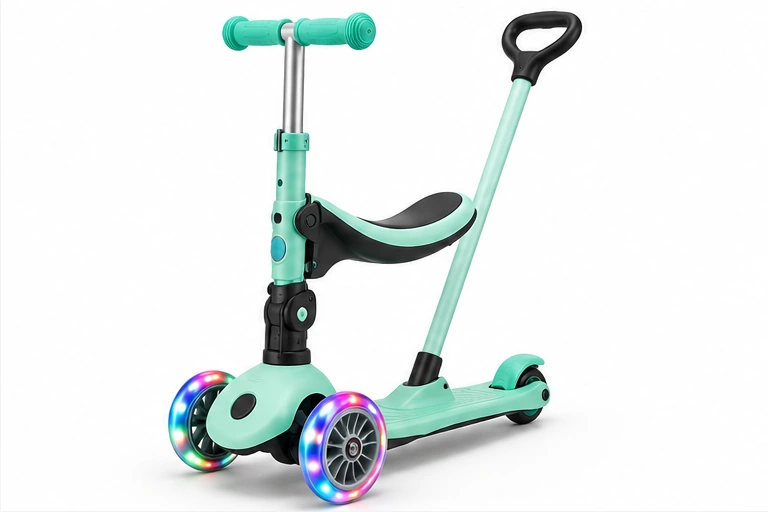
Ride-on, walking-bike and standing configurations with a four-height T-bar and tool-free conversion.
Consider before buying: Seat mode is limited to 20 kg and 36 months; do not confuse those limits with the 50 kg standing rating.
7. Globber PRIMO Foldable Lights
★ Best steering lock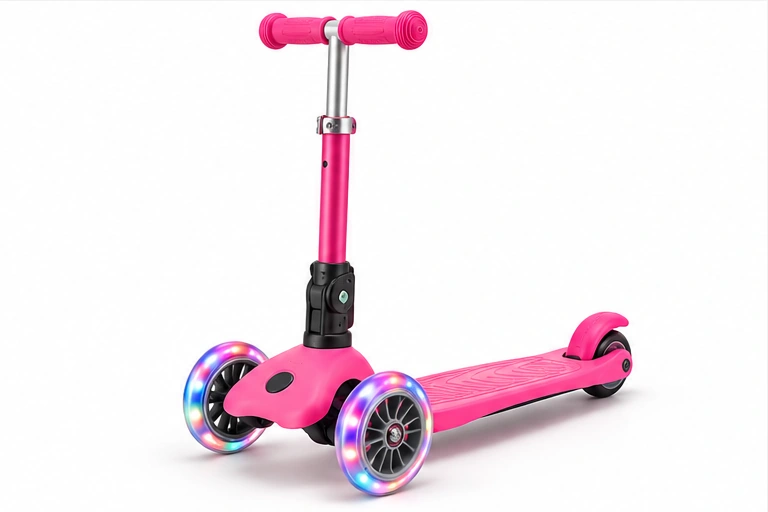
Foldable three-wheel frame with light-up front wheels and a straight-line steering-lock option for early practice.
Consider before buying: The official U.S. store currently lists this exact model as out of stock; check availability.
8. GOTRAX KS3 Kick Scooter
★ Budget seat alternative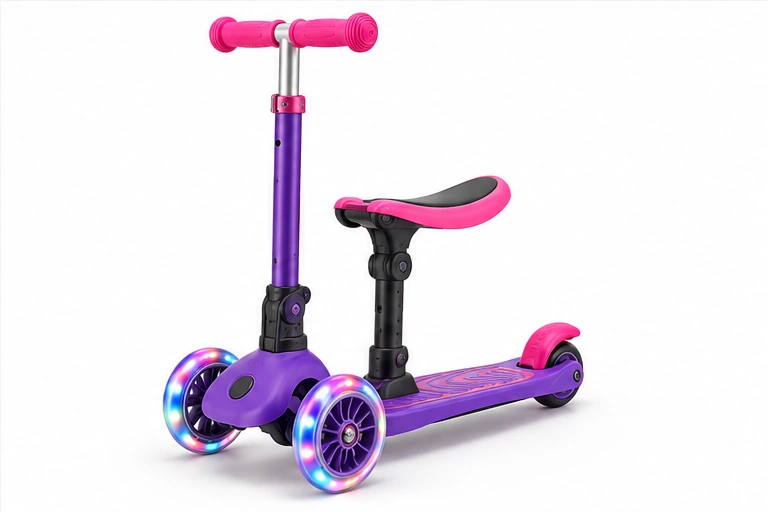
Folding seat and adjustable bar offer another convertible alternative at the entry end of the category.
Consider before buying: Manufacturer page currently says sold out and does not supply a complete age or handlebar-height chart.
What matters most when choosing
Handlebar fit
Check the minimum and maximum height with the child standing in shoes. The maximum rider load alone says nothing about whether a bar is comfortable.
Steering type
Lean-to-steer scooters turn through a shift in body weight, while other products use different turning mechanisms. A steering lock can help with straight-line familiarization.
Separate seat limits
Convertible models have one limit for seated play and another for standing. Follow every mode-specific age, height and load limit in the current manual.
Storage and wheels
Folding hinges make transport easier but need checking. Light-up wheels are decorative, not a reason to ride after dark.
Before the first ride
- Follow pediatric guidance for the child's age and individual readiness; the manufacturer's age label is not a safety clearance.
- Use a correctly fitting helmet that meets applicable safety standards, plus suitable knee and elbow protection. Our helmet fitting and sizing guide explains measurement.
- Check every fastener, handlebar lock, brake, wheel and seat bracket before practice.
- Stay on smooth, dry, flat ground without traffic and supervise directly. Avoid wet pavement, slopes, gravel and riding at night.
- Demonstrate stopping before turning. Never put two children on one scooter.
- These are not electric or stunt scooters. Our pro scooter guide and ramp comparison are for different riding skills and equipment.
For additional practical checks see Seattle Children's scooter safety guidance.
Frequently asked questions
Is a three-wheel scooter automatically safe for a two-year-old?
No. Manufacturer age labels and a stable wheel layout do not replace professional age-related guidance, balance readiness, protective gear or close adult supervision.
Should I buy the tallest adjustable scooter?
No. The lowest setting must already fit the child. Choose comfortable handling now over theoretical future growth.
Does a 110 lb standing rating apply to a fold-out seat?
No. The seat mode often has a much lower rating, such as 44 or 55 lb, and may have a separate age restriction.
Are electric scooters an alternative for toddlers?
No. This guide covers nonpowered scooters. The AAP recommends against motorized e-scooter use for children under 16.
For parents riding along, our adult kick scooter comparison covers separate full-size models.
As an Amazon Associate, TheScooterist earns from qualifying purchases.
Buying for an older school-age child? Compare two-wheel models, larger wheels, and three-wheel alternatives in our kids scooter guide. For protective gear, see our kids scooter helmet buying guide.