10 Best Pro Scooters of 2026 for Beginners, Park & Street
Compare the best stunt scooters for beginners, skatepark tricks, and street riding—with practical buying advice to help you find the right fit.
TheScooterist Editorial Team · Updated October 26, 2026
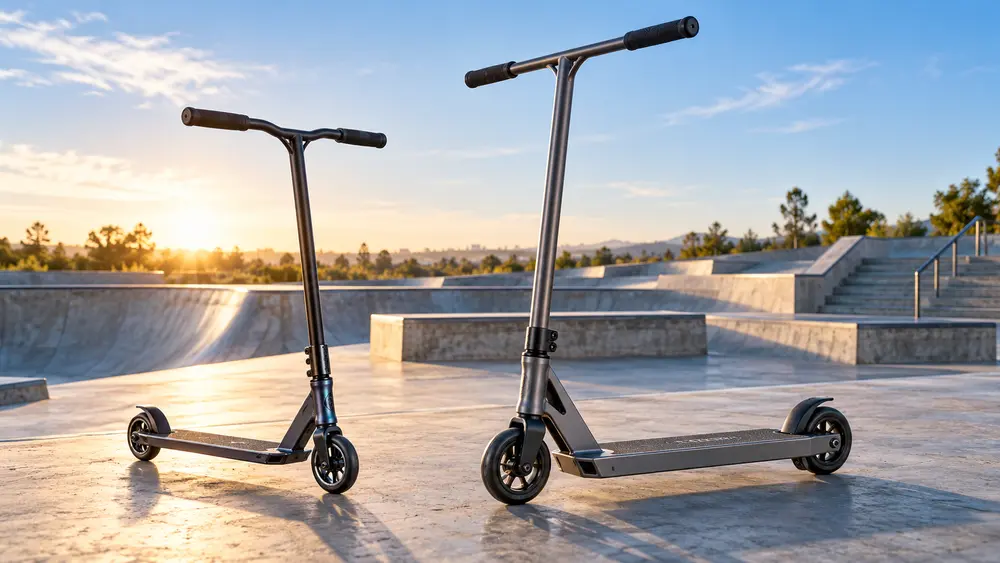
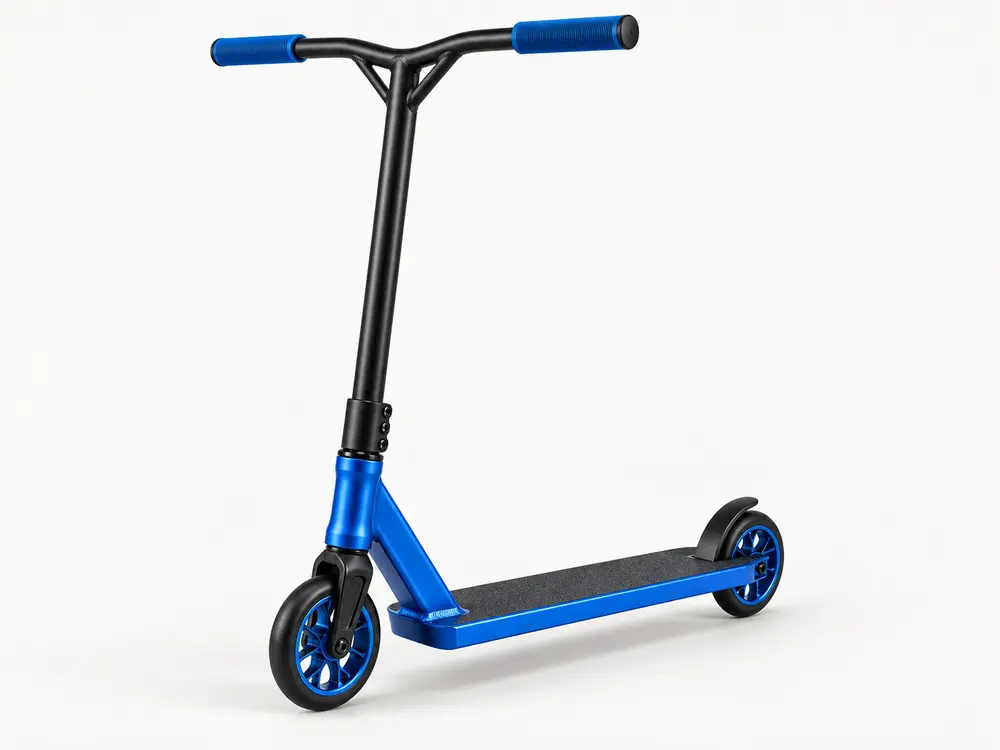
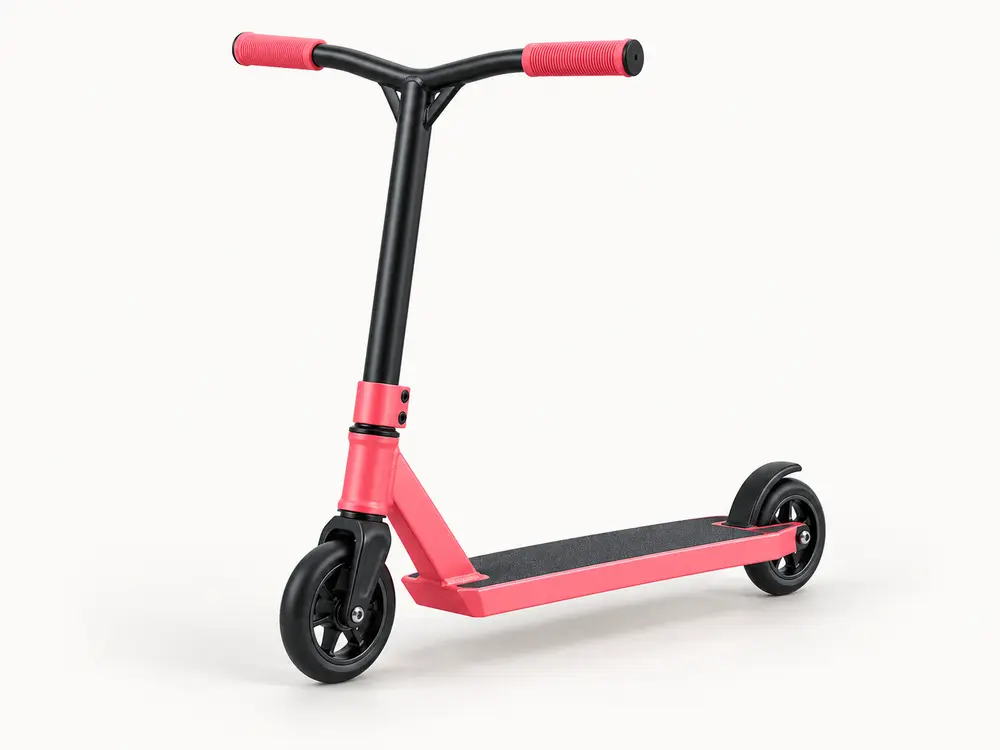
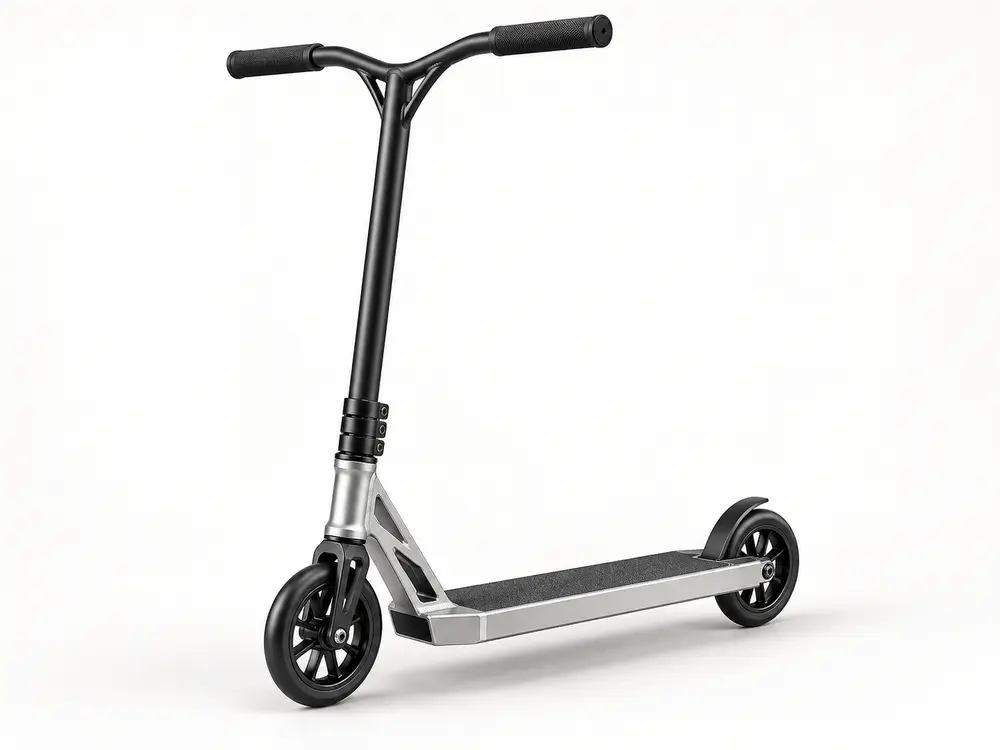
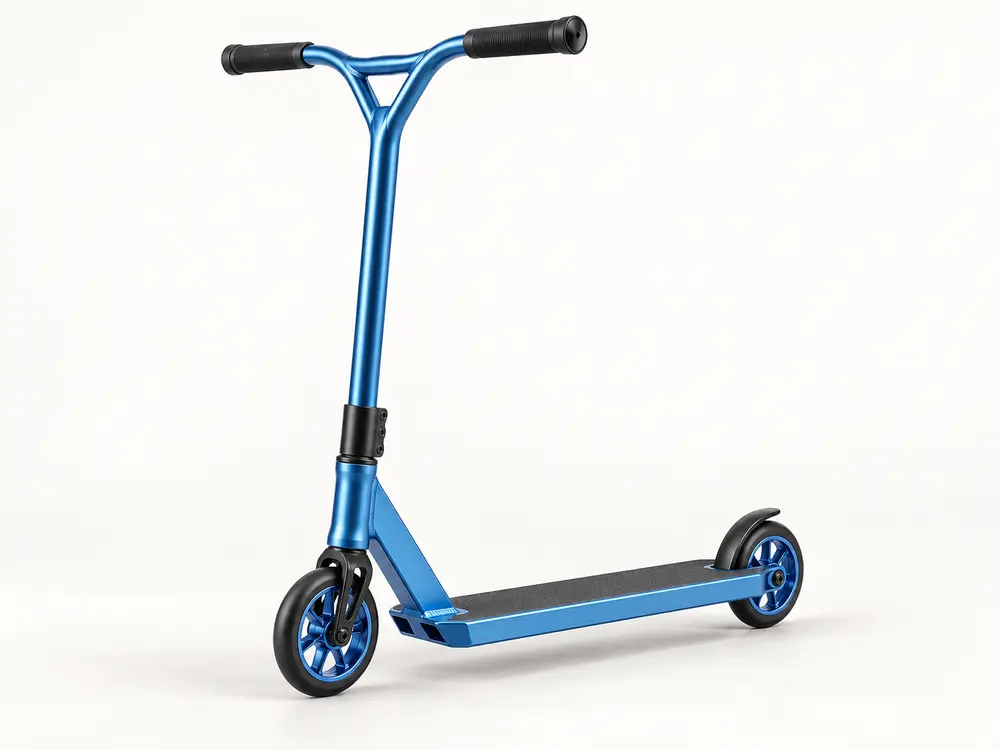
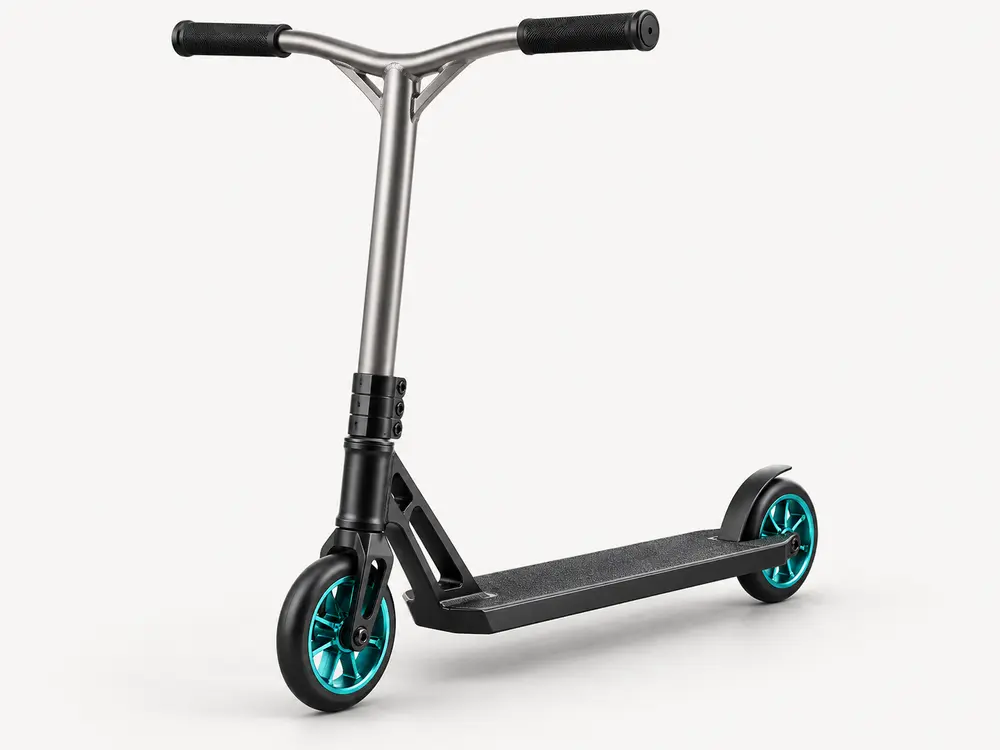
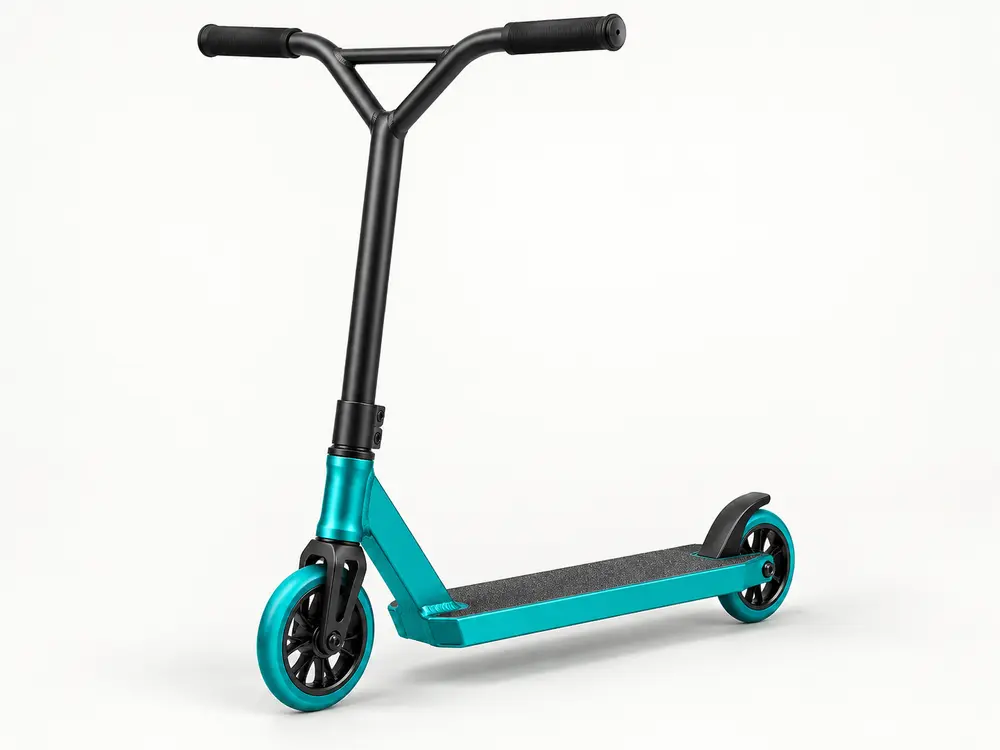
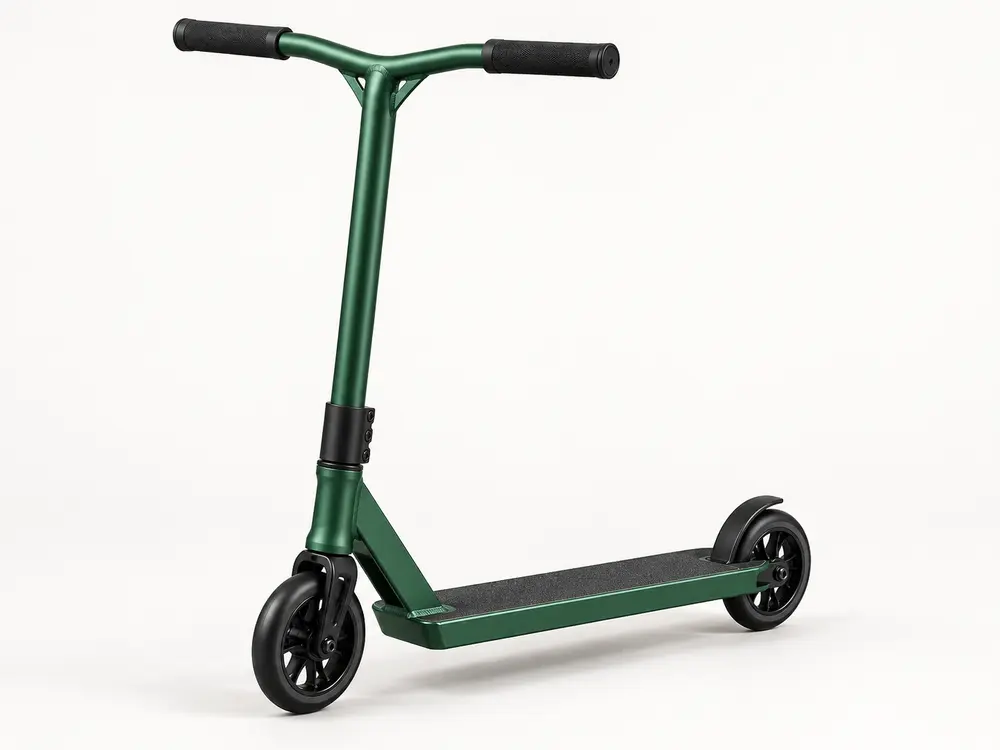
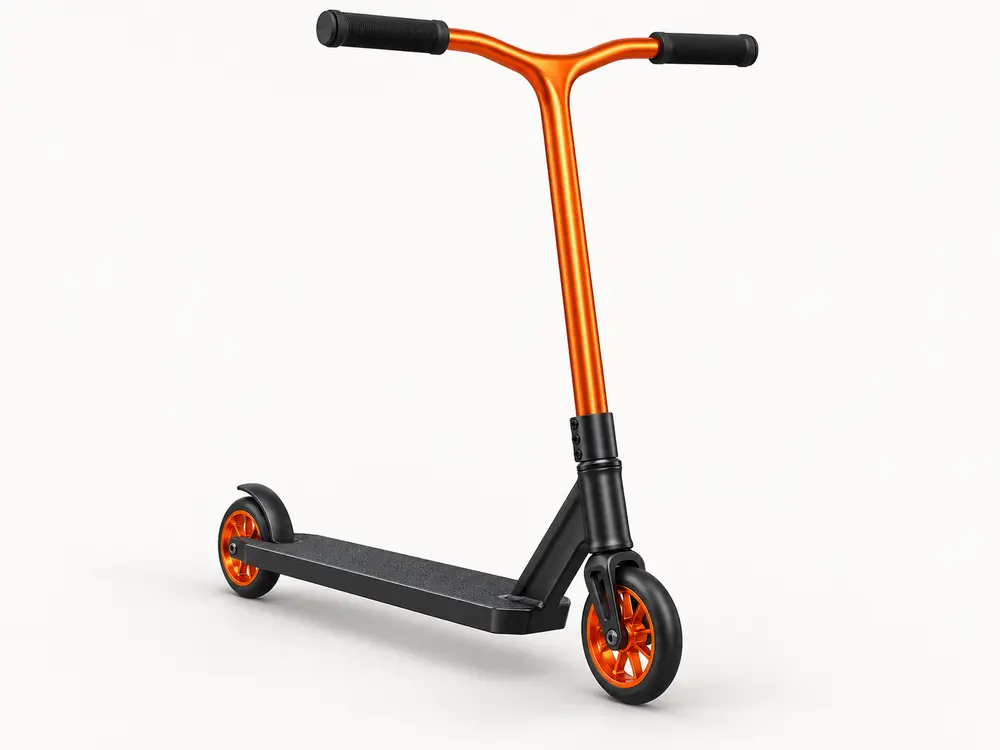
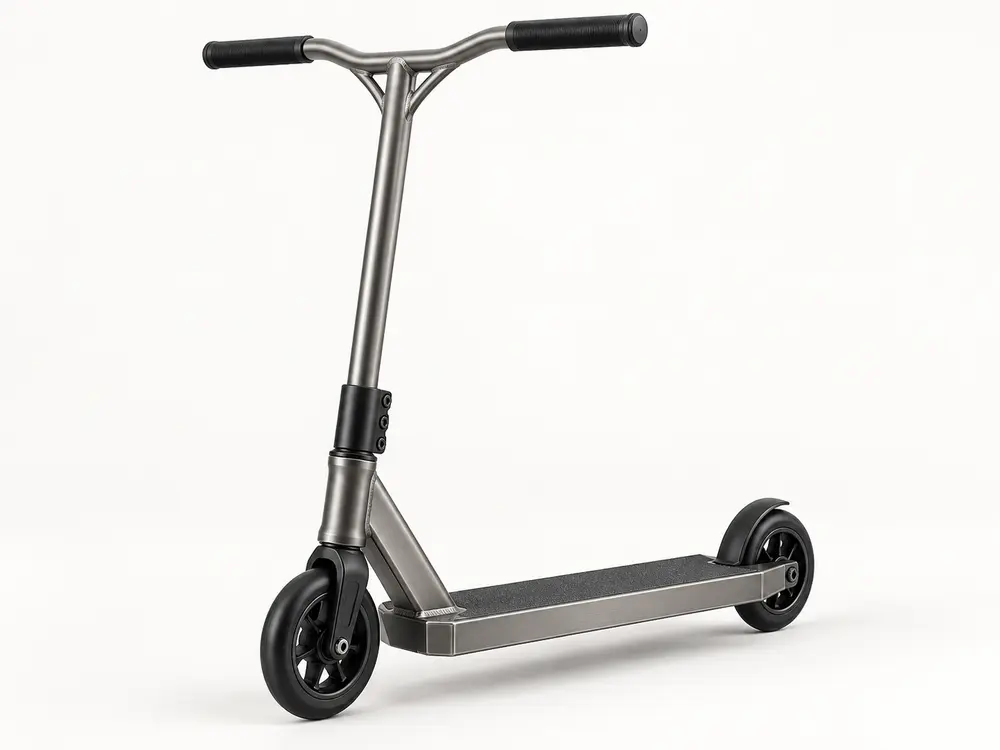
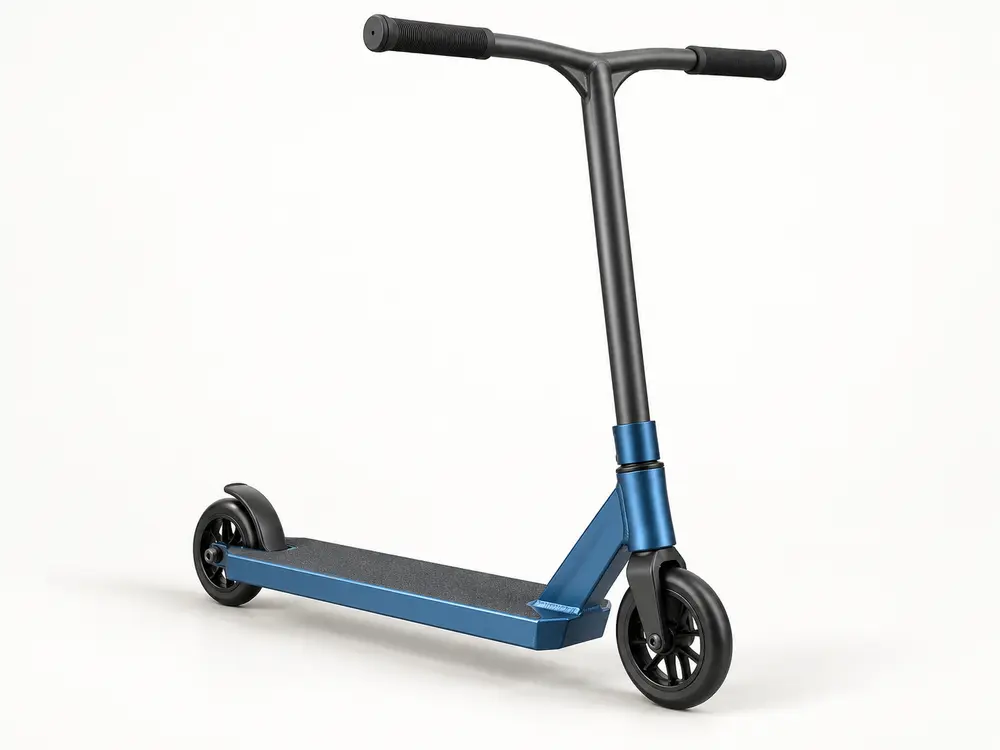
Park and street scooter concepts, illustrated for comparison. Individual product visuals below are also editorial illustrations.
Looking for a scooter that can handle tailwhips, grinds and real skatepark sessions? Start with a rigid, nonfolding pro scooter made for tricks—not a regular commuter kick scooter or a motorized electric scooter. The right choice depends less on flashy graphics than on whether its bars, deck and wheels fit the person riding it.
For a first serious complete, the Fuzion Z250 SE provides an approachable starting point. Smaller beginners should look at the Envy ONE S3; riders learning both park and street tricks should consider the Envy COLT S6. For focused park riding, the Prodigy X ONE and Root Type R GT are more specialized choices.
Affiliate disclosure: As an Amazon Associate, TheScooterist earns from qualifying purchases.
Tell us how you ride and we'll narrow the list to three starting points. This is a shortlist, not a substitute for checking exact measurements.
The 10 pro scooters in detail
Every scooter below has its own strengths and drawbacks. Don't choose the top-ranked model automatically if a different deck and bar combination suits your rider better.
Best first serious scooter
1. Fuzion Z250 SE
Park / mixed
Beginner to intermediate110 mm wheels4.5 × 19.5 in deck
The Z250 SE makes sense when a rider has outgrown a basic folding kick scooter and wants to learn bunny hops, tailwhips and ramps on a proper fixed-deck complete.
Its aluminum 4.5-by-19.5-inch deck keeps the platform compact, while 110 mm alloy-core wheels and an IHC-style complete build are well suited to beginner progression. It feels more purpose-built for skatepark practice than a recreational commuter scooter. The relatively modest deck size is easier for a smaller rider to control during rotational tricks.
Why it stands out: Purpose-built stunt geometry, sensible deck size and a straightforward progression platform.
Consider before buying: A rider with large shoes or a strong street-grinding focus may want a wider deck; check bar height before ordering.
The ONE S3 is a useful first step for a younger rider who wants a real trick scooter without jumping into adult-size park geometry.
Envy combines a 19-inch deck, 110 mm wheels, fixed bars and a nonfolding frame. The shorter platform can help shorter riders move the scooter confidently, although a small deck is less comfortable as shoes grow. Measure the rider rather than buying only from an age recommendation.
Why it stands out: Beginner-oriented proportions and recognizable pro-scooter construction.
Consider before buying: Less growing room for a tall child, teen or adult; it is not a full-size street complete.
For the rider who practices airs at the park but also wants to learn ledge tricks, the COLT S6 is one of the more balanced shapes in this group.
The 5-inch-wide, 19.5-inch-long deck creates more foot room than traditional narrow park completes without turning the scooter into a full-width street machine. Its 110 mm wheels, boxed deck ends and roughly 33-inch overall height make it a practical next step after a small beginner setup.
Why it stands out: Roomier hybrid deck and useful crossover geometry for riders building varied skills.
Consider before buying: Not as light and compact as a dedicated aerial-trick setup; verify the exact S6 finish and bar size.
Intermediate to advanced120 mm wheels5 × 19.5 in deck
The newer Prodigy X ONE is the performance-oriented park choice here. It is a different model from older Prodigy X generations, so the specification matters.
Its low-profile 5-by-19.5-inch deck, aluminum Reaper V3 bars, IHC compression and 120-by-26 mm wheels are designed around controlled aerial tricks. Published overall height is 34 inches and weight is approximately 7.4 pounds. For a rider who already knows what feels right in a park scooter, those dimensions provide a helpful point of comparison.
Why it stands out: Purposeful light park setup with 120 mm wheels and documented full-size geometry.
Consider before buying: A premium upgrade can be poor value for someone still learning basic balance; park geometry is less specialized for ledges.
Root’s Type R GT is worth a look if you care most about a light, responsive feel for tricks rather than a heavy street platform.
This generation pairs a 5-inch deck with 110 mm Lotus wheels and an aluminum handlebar. Its lighter published build is appealing for riders practicing repeat tailwhips or other rotation-heavy park moves. Be careful not to mix its specifications with the older steel-bar Type R: they are related scooters, not identical builds.
Why it stands out: Lightweight emphasis and park-friendly component selection.
Consider before buying: Lighter parts do not automatically suit every hard-impact street rider; confirm the GT model and selected bar height.
Beginner to intermediateEdition dependent wheels4.5 × 19 in deck
The Crew line makes sense for a younger rider ready to improve on a basic first complete without stepping up to a very large street deck.
The familiar Crew platform is around 4.5 by 19 inches and uses IHC compression, with an emphasis on park riding and replaceable parts. However, Crew Royale editions have changed over time, including wheel and bar configurations. Check the exact Amazon version rather than assuming the latest direct-store specifications apply to every listing.
Why it stands out: Manageable park shape and a brand ecosystem with upgrade parts.
Consider before buying: The model family includes different generations; exact wheel size and bar setup require extra care.
The MG3 Zen fills the gap between casual neighborhood riding and more demanding tricks for a growing child.
Its 110 mm wheels and 4.5-by-19.5-inch deck are familiar dimensions for a beginner-focused stunt scooter. The fixed handlebar design and durable deck are better aligned with skatepark learning than a folding commuter scooter. Compare the floor-to-handlebar measurement with the rider’s current scooter so the new setup does not feel unexpectedly tall.
Why it stands out: Beginner-appropriate dimensions and straightforward park-use components.
Consider before buying: Less useful for a tall teen; fixed bar height leaves little room for size adjustment.
Beginner to intermediate110 mm wheelsCompact stunt deck deck
If you want to start practicing tricks without the cost of a premium complete, the VOKUL K1 offers a simpler route into the sport.
It is intended for park and freestyle riding, with 110 mm wheels and a fixed-bar configuration. It can make sense as a first proper stunt scooter for a rider still discovering whether they prefer ramps, airs or flat-ground tricks. Compare the actual bar height against the rider and leave some budget for a correctly fitted helmet.
Why it stands out: Accessible starting point with dedicated trick-scooter construction.
Consider before buying: Do not expect the same refinement and parts ecosystem as premium park completes.
Intermediate to advanced120 mm wheelsWide, boxed ends deck
The LMT70 addresses a problem often missed by beginner-scooter guides: taller riders need bar height and deck room, especially for ledges and street-style tricks.
The street-oriented build uses a wide box-ended deck, larger wheels and a robust four-bolt compression arrangement. That extra length and hardware can feel reassuring for grinds and bigger feet, but there is a cost in heft and ease of throwing spins. This is not the model I would put under a small child learning a first tailwhip.
Why it stands out: Larger rider-fit emphasis and more street-oriented deck geometry.
Consider before buying: Bulkier than a lightweight park setup; measure total height and inspect the exact Amazon trim.
The Rise 110 Elite is for someone who wants a recognizable, straightforward stunt-style build with practical components and fewer premium extras.
The 110 mm version uses an alloy deck and heavy-duty fixed-frame layout. It is worth considering for basic skatepark sessions and everyday practice, particularly if a premium scooter is more than the rider currently needs. Check the exact Elite versus Expert or Rise 100 listing before ordering because Mongoose sells several similarly named models.
Why it stands out: Simple reinforced construction and 110 mm wheel configuration.
Consider before buying: Less performance-focused than the top park-specific completes; model names in this family are easy to confuse.
Park scooters vs. street scooters: what's the difference?
These two categories overlap, but their geometry reveals what they are best at. A park-focused rider wants a scooter that rotates quickly for aerial tricks. A street-focused rider often prioritizes foot space and boxed deck ends for ledges and grinds.
Park setup
Usually narrower, lighter deck
Fast rotation for airs and tailwhips
Great for ramps, bowls and fly-outs
Street setup
Wider, often longer deck
Boxed ends can help with grinds
More stability, sometimes more weight
If you're still learning, a versatile complete is often the sensible choice. You do not need a heavy street build just because you occasionally ride a curb, or a competition-light park setup to begin learning a bunny hop.
Choose the right size before choosing the brand
Handlebar height: With the rider standing on the scooter deck, the grips should generally feel comfortable around the waist-to-belly-button region. Some street riders prefer slightly taller bars; some park riders prefer slightly lower bars. Measure instead of guessing from age alone.
Deck width and length: Narrower 4.5-inch decks can make rotational tricks easier for smaller riders. Around 5 inches or more gives many growing teens more foot space. For frequent ledge work, look carefully at larger box-ended platforms.
Wheels: 110 mm remains a common all-purpose size. Larger 115–120 mm wheels may roll smoothly and change steering feel; check compatibility with the scooter's fork and brake before upgrading.
Weight and compression: A low-weight park scooter is easier to whip around, but extra hardware can be worthwhile for the style you actually ride. IHC is common on many completes. SCS is a different, generally bulkier clamp system favored by some street configurations. Neither label replaces inspecting actual build quality and fit.
Before you buy a complete pro scooter
Measure the rider's height and compare total scooter height, not just an age label.
Confirm the scooter is a nonfolding trick scooter if grinds, jumps or skatepark sessions are the goal.
Read the exact Amazon model and finish selected; related generations can share a listing.
Check maximum rider load, brake configuration, wheel clearance and assembly instructions.
Budget for a well-fitting helmet and appropriate protective gear.
Retighten hardware as directed by the manufacturer and inspect bars, deck and wheels after heavy use.
Complete vs. custom: what should a beginner buy?
For almost every first serious scooter, start with a complete. The parts are chosen to fit together, you can ride sooner, and you're not paying to solve compatibility problems before you even know your style. A custom setup becomes appealing later if you know you want a specific deck width, bar material, compression system or wheel size.
When upgrading individual components, do not assume bars, fork, wheel spacing and compression are universal. A scooter technician or good parts seller can confirm the combination. TheScooterist's Parts & Accessories directory can help you find relevant businesses.
Frequently asked questions
What is the best pro scooter for a beginner?
The Fuzion Z250 SE is a sensible first step for an appropriately sized rider, while the Envy ONE S3 is better suited to smaller first-time riders. Bar height matters more than choosing a universal winner.
Can you do tricks on a regular folding kick scooter?
Use a rigid stunt scooter designed for jumps and tricks. Most ordinary folding commuters are built for getting around, not repeated skatepark impacts or grinds.
Is a park or street scooter better for learning?
Park-oriented or hybrid completes are often easier starting points for someone learning basic jumps and rotations. Choose a more specialized street setup when ledges, grinds and wider deck space become priorities.
Are pro scooters electric?
No. The pro stunt scooters in this comparison are manually powered kick scooters with rigid components designed for tricks. Electric commuter scooters are a different category; see our adult electric scooter buying guide if you're shopping for everyday transportation instead.
What scooter size works for a 12-year-old?
There isn't one ideal size for every 12-year-old. Measure rider height, compare the floor-to-bar or total height listed for the exact scooter, and make sure the deck offers adequate foot room.
Are more expensive scooters always better?
No. Paying for a light premium park setup isn't worthwhile if the geometry is wrong for the rider. An appropriately fitted beginner complete can be more useful than a professional model bought too early.