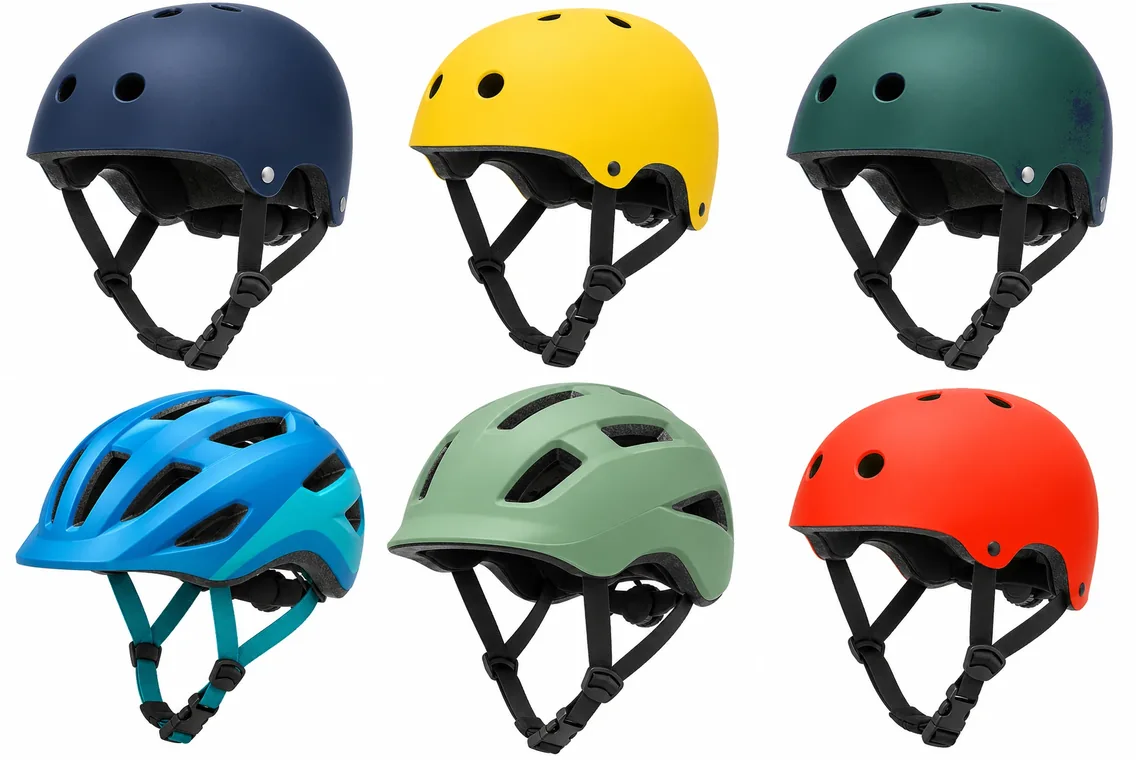
Compare six helmets by riding style, safety certification and actual head circumference. The best choice is the one that fits securely and is certified for what your child does.
TheScooterist Editorial Team · Updated November 1, 2026
Start with the activity, not the color.
For ordinary non-electric kick scooters, choose a bicycle helmet compliant with the U.S. CPSC standard. For skateboarding or trick skating, look for ASTM F1492 as well. Both certifications must be printed on the helmet’s label; a “multi-sport” product title alone is not enough. Powered scooters need different considerations. CPSC activity chart
★ Versatile choiceLazer Maze Jr. KinetiCore
50–56 cm; skate-style with published CPSC and ASTM specifications.
Casual sidewalk riding with a simple retro profile
The Six Helmets in Detail
★ Best versatile choice
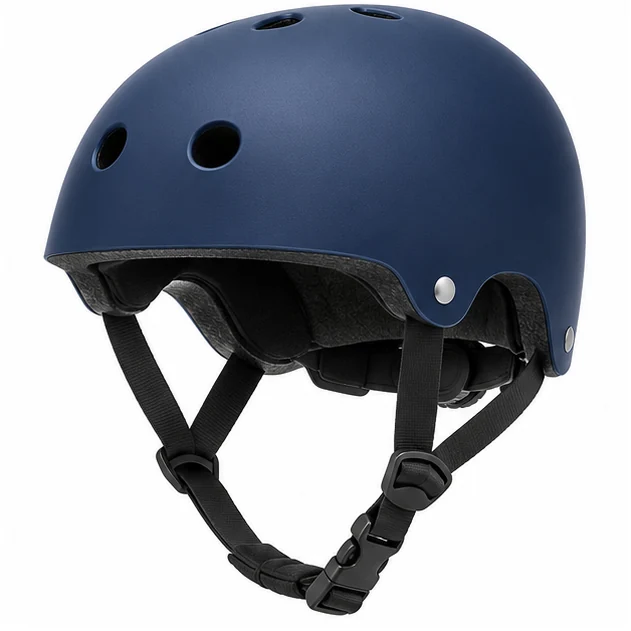
1. Lazer Maze Jr. KinetiCore
This is the most flexible pick for a child who uses a kick scooter and also participates in skate-style activities. Its published U.S. specifications list CPSC plus ASTM certification, and the 50–56 cm fit range makes it a candidate for many school-age riders.
Head: 50–56 cmCPSC + ASTM F1492Skate-inspired with a dial fit
Why it belongs on the shortlist
TurnSys size dial
KinetiCore impact-management construction
Ventilated shell and optional rear light mount
Tradeoff: One published size range may not fit especially small heads.
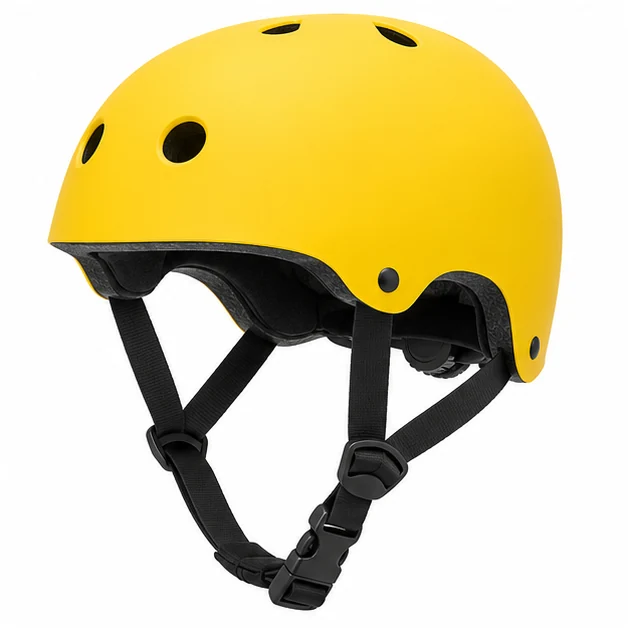
A dual-certified helmet intended for smaller heads with a dial adjuster and washable pads. Its ABS skate-style shell offers a different feel from a lightweight vented bike helmet, so comfort deserves special attention.
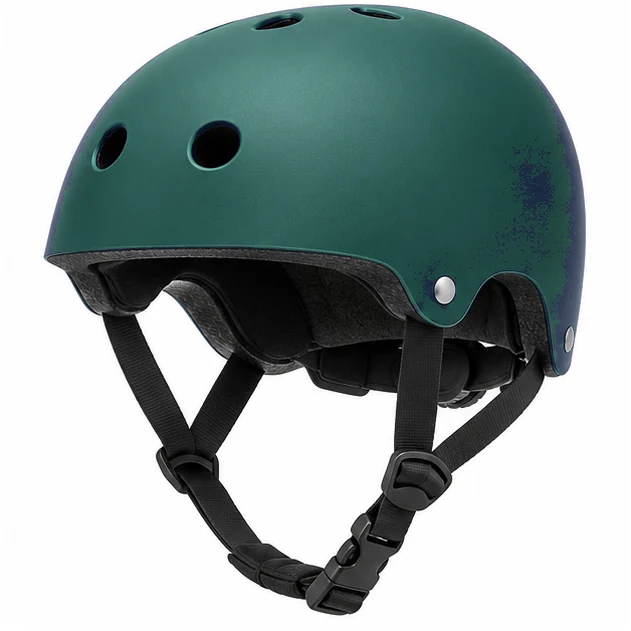
This S/M-linked model adds a MIPS layer to a dual-certified skate helmet. It is intended here for larger head sizes, and you should check the exact product option, fit pads and stability of the fit.
Head: 55–58 cm (S/M)CPSC + ASTM F1492Skate helmet with MIPS layer
Why it belongs on the shortlist
CPSC and ASTM F1492 certifications
MIPS low-friction system
Interchangeable interior fit pads
Tradeoff: This S/M-linked variant starts at 55 cm and is unsuitable for smaller heads; check the exact size on Amazon.
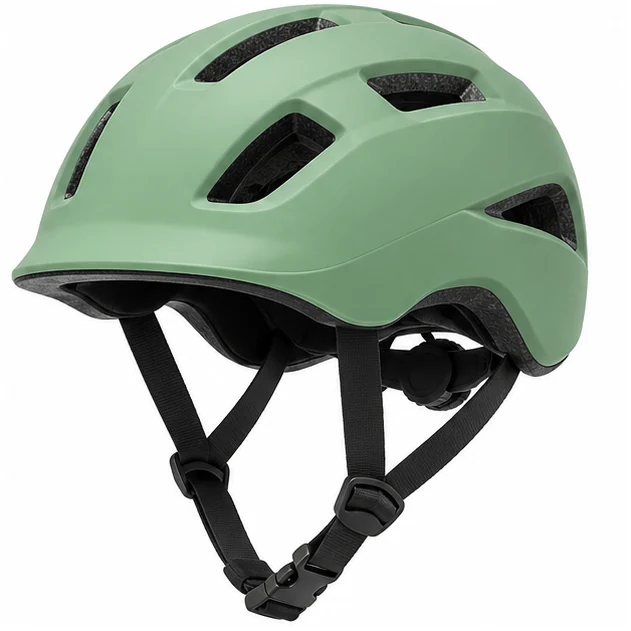
For ordinary recreational kick-scooter rides, a well-fitting CPSC bicycle helmet is appropriate. The Scamp II emphasizes adjustable comfort and ventilation, but the buyer should not confuse its bicycle certification with the ASTM skate standard.
Head: 49–53 cm (S)CPSC bicycleVented bicycle-style helmet
Why it belongs on the shortlist
Roc Loc Jr. dial fit
13 vents
Compact lower-profile shape
Tradeoff: Not presented as ASTM F1492 skateboard-certified; avoid assuming skatepark suitability.
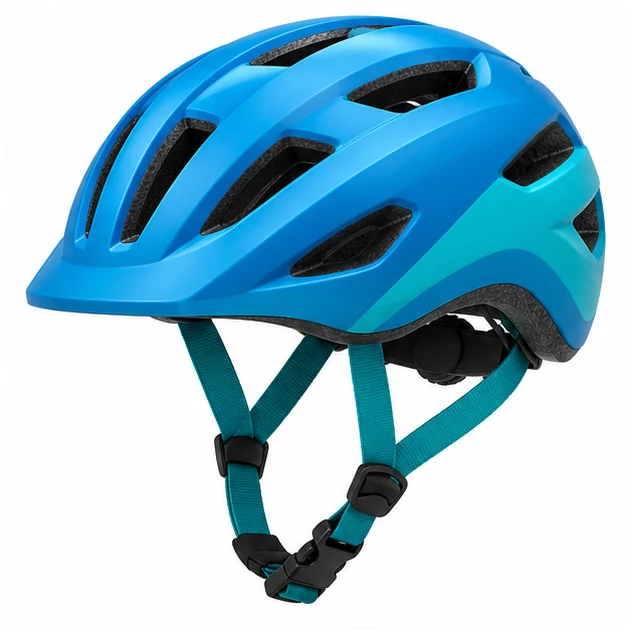
A useful choice for kids who also bicycle. The manufacturer lists CPSC bicycle certification and different size ranges for Child and Youth shells; the Youth specification used here is 50–57 cm.
Head: 50–57 cm (Youth)CPSC bicycleTrail-inspired vented bike helmet
Why it belongs on the shortlist
Ergo Fit dial and MIPS Evolve
Removable visor
Coverage around the back of the head
Tradeoff: Available in child and youth size versions—confirm the Amazon size variant before purchase.
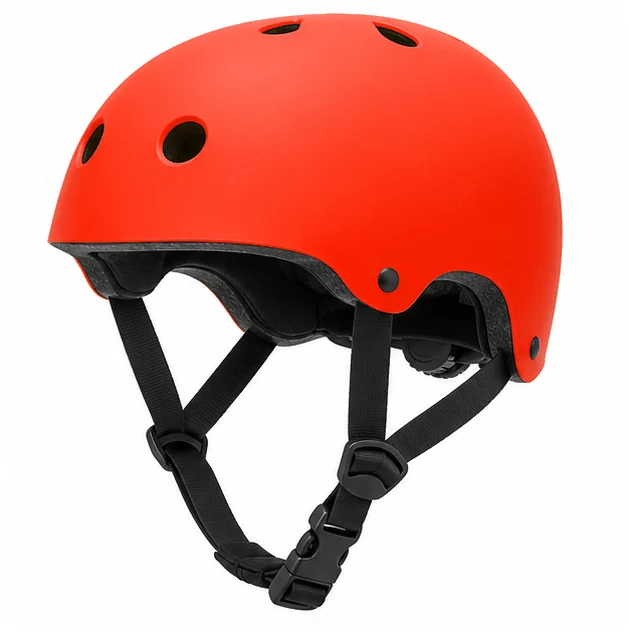
A clean, straightforward option for everyday kick scooters. It is listed as a children’s bicycle helmet; do not treat an online “skate” category tag as proof of independent skateboard certification.
Head: 49–53 cm (Youth)CPSC bicycleRound bike-style helmet with visor
Why it belongs on the shortlist
Youth head-size option
Adjustable sizing dial
Removable pads and integrated visor
Tradeoff: The skate-style appearance alone does not establish ASTM F1492 certification.
A properly fitted CPSC-certified bicycle helmet can be used for non-electric kick scooters, recreational roller skating and casual cycling. Breathable bicycle-style helmets may be more comfortable for daily short rides, especially in warm weather.
Skatepark and skateboard riding
For skateboarding or aggressive/trick skating, verify ASTM F1492 on the product label. Several dual-certified helmets meet CPSC bicycle and ASTM skateboard standards, but don't infer dual certification from a round shell or a “multi-sport” title.
How to Fit a Kids' Scooter Helmet
1Measure, then choose a size
Place a soft tape around the head above the eyebrows, keeping it level. Match the measurement to the exact model-and-size chart.
2Position it level
The front edge should be low over the forehead without blocking vision. Tighten the retention dial or internal pads until it stays in place without wobbling.
3Adjust side and chin straps
The straps should sit in a V around the ears. Fasten the buckle and adjust to a comfortable, secure fit; ask the child to shake their head to check movement.
Replace a helmet after a significant impact even if damage is not visible. Follow its manufacturer's guidance for aging, fit-system damage and replacement. No helmet can prevent every concussion. For sizing details, see our helmet sizing guide.
Frequently Asked Questions
Does a kick scooter require a special helmet?
For ordinary non-electric recreational scooting, a well-fitting CPSC-compliant bicycle helmet is appropriate. Skateboard/trick activities call for the skateboard standard; check local rules as well.
Is “multi-sport” the same as dual-certified?
No. Look inside the helmet for the actual CPSC and, where relevant, ASTM F1492 labels. Marketing categories do not establish certification.
What if my child's measurement is between two sizes?
Consult the brand-specific sizing guide and try the helmet. A measurement that falls within a stated range is only a starting point; head shape and strap fit also matter. Never size up just to allow growth if the helmet is loose.
Are MIPS helmets always safer than non-MIPS helmets?
Some systems aim to reduce rotational motion during certain impacts, but certification, a stable fit and the riding activity remain essential. A MIPS feature is not proof that a helmet prevents concussions.
Do kids need a motorcycle helmet for a normal kick scooter?
Not for an ordinary non-electric recreational kick scooter. Powered scooters, mopeds and high-speed riding raise different safety and legal issues. Check the intended activity before selecting equipment.
When should we replace a helmet?
After a significant impact, visible structural damage, a compromised retention system, or according to the manufacturer’s replacement instructions. Avoid using secondhand helmets whose impact history is unknown.
Comparing motorized models? Read our electric scooter for kids guide for model specifications and the AAP age recommendation before choosing equipment.